
Smoking and grilling recipes
Scan for recipe:
bkyhd.com/recipe/poolish-pizza-dough
Support us:
bkyhd.com/patreon
A two-phase pizza dough using a 24-hour cold-fermented poolish for incredible flavor and texture. This method produces light, airy crusts perfect for Neapolitan-style pizza.
Recipe Overview
Watch the Recipe
Related Posts
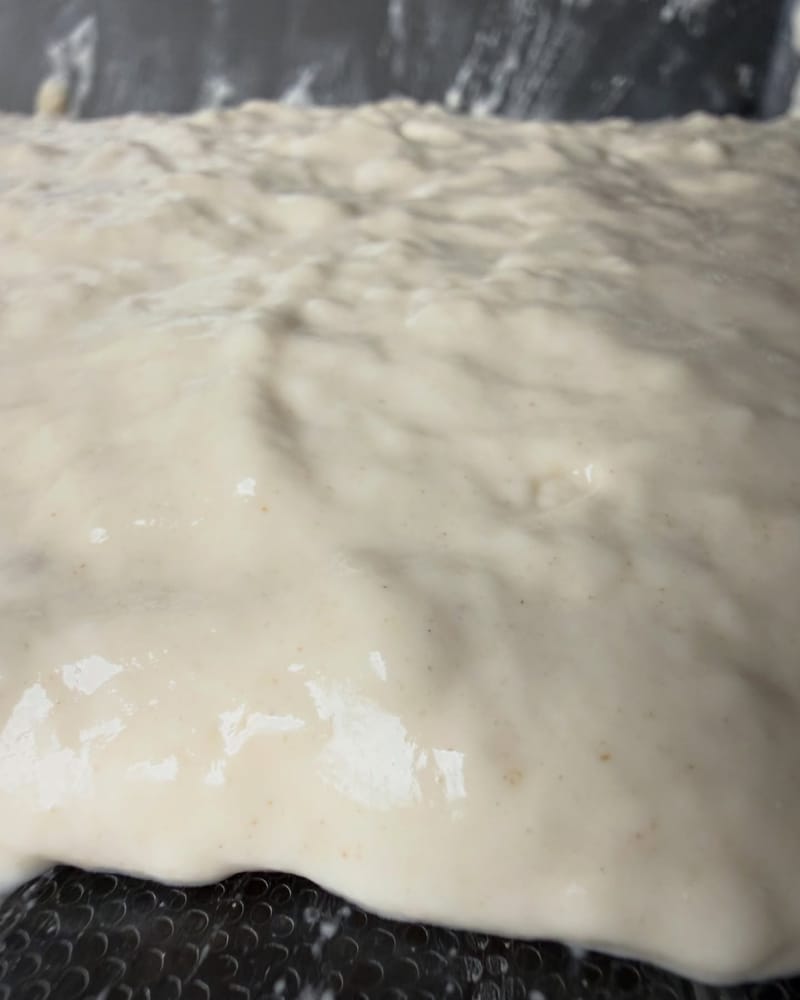
20 Pizza party tomorrow. Poolish all mixed. 24 hours in the fridge. Using @vitoiacopelli recipe. Ran out of honey so using maple syrup instead.
📹 Recipe Video
instagram • Video



Equipment Needed
- •Large mixing bowl
- •Tupperware container with lid (for poolish)
- •Kitchen scale
- •Bench scraper (optional)
- •Proofing container or sheet pan
- •Plastic wrap or damp towel
🔧 Equipment Needed:
- • Large mixing bowl
- • Tupperware container with lid (for poolish)
- • Kitchen scale
- • Bench scraper (optional)
- • Proofing container or sheet pan
- • Plastic wrap or damp towel
Instructions
13 stepsMake the Poolish
Combine the poolish water, poolish flour, honey, and yeast in a tupperware container. Mix until no dry flour remains. Close the container and leave at room temperature for 1 hour, then transfer to the refrigerator for 24 hours.
Tips
- •Use dried yeast (5g) OR fresh yeast (10g), not both
- •Container should have headroom for expansion
- •Poolish is ready when bubbly and slightly domed
Hydrate the Poolish
Fill a large bowl with the dough water amount. Add the poolish and mix until the poolish has completely dissolved into the water. This should take a couple of minutes of stirring.
Tips
- •The poolish should fully 'melt' into the water
- •Water should be room temperature
First Flour Addition
Add half of the dough flour to the poolish-water mixture. Combine until fully incorporated - no dry flour should remain.
Tips
- •Mix thoroughly before adding more flour
- •Mixture will be wet and sticky at this point
Add Salt
Add the salt to the mixture and continue mixing for a few minutes until fully incorporated.
Tips
- •Salt strengthens gluten development
- •Make sure salt is evenly distributed
Second Flour Addition
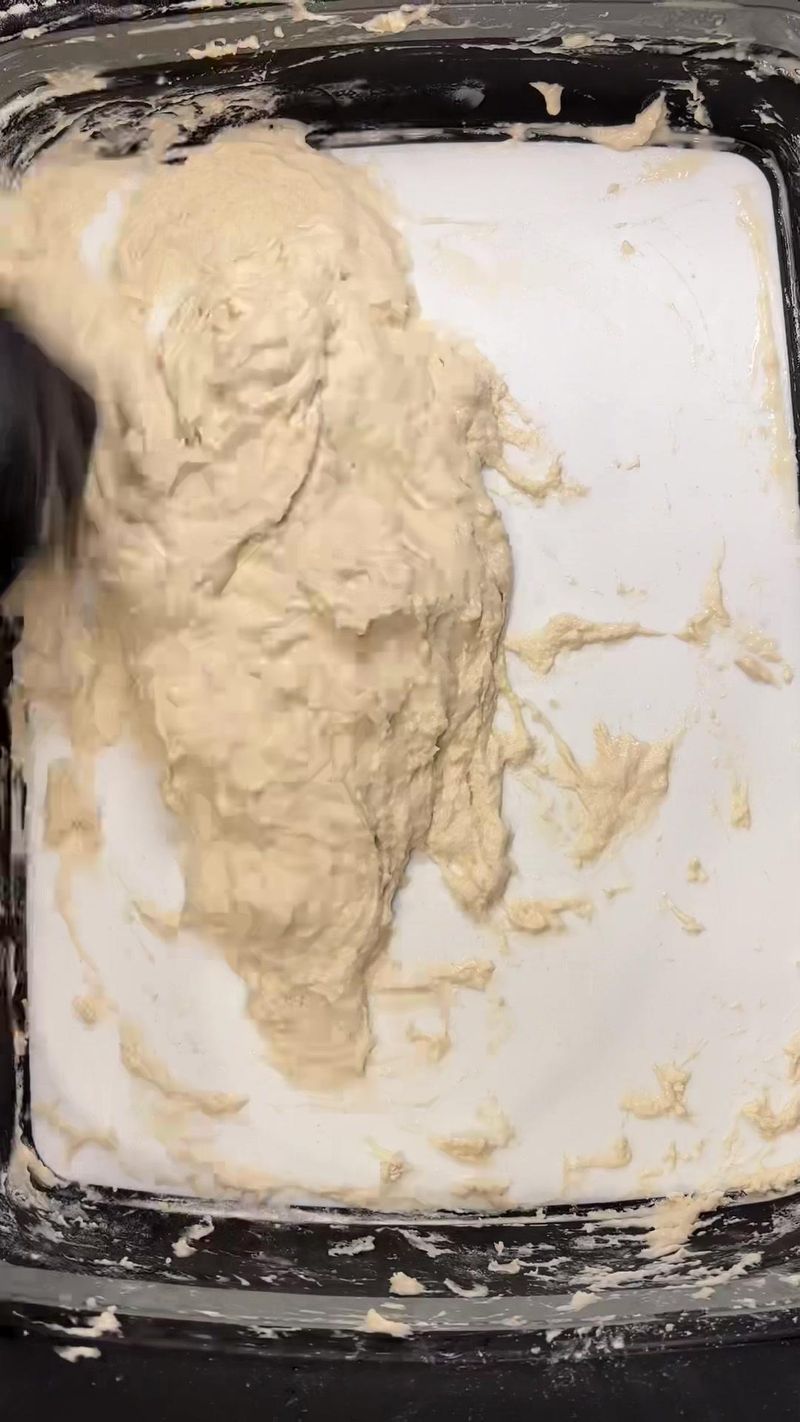
Add the remaining flour and mix until everything is combined. The dough will start to come together but will still be quite shaggy.
Tips
- •Don't worry if it looks rough
- •All flour should be incorporated
Knead the Dough
Dump the dough onto a clean counter and work it slowly until smooth. The dough will be sticky - this is normal for high-hydration dough. Work slowly and let the dough rest briefly if it's too sticky to handle.
Tips
- •The dough will be sticky - this is expected
- •Resist adding extra flour
- •Let dough rest 5 minutes if too sticky
First Rest
Leave the dough on the counter and cover it with the inverted mixing bowl. Let it rest for 15 minutes. This allows the gluten to relax and makes shaping easier.
Tips
- •This rest period is important for dough development
- •Cover completely to prevent drying
Form Large Dough Ball
Add a little oil to your hands. Lift the dough, fold it under itself, and rotate. Keep the top as the top throughout this process. Continue folding and rotating until the dough comes together and becomes smooth, forming a tight ball.
Tips
- •Oil prevents sticking without adding flour
- •Build surface tension by tucking under
- •The dough should feel smooth and elastic
Bulk Fermentation
Oil the mixing bowl lightly. Place the dough ball in the bowl, seam-side down. Cover with plastic wrap or a damp towel and let rest at room temperature for 60 minutes.
Tips
- •Dough should increase in size by about 50%
- •Keep in a warm spot (75-80°F (24-27°C) ideal)
- •Don't rush this step
Divide Into Portions
Remove the dough from the bowl onto a lightly floured surface. Oil your hands. Divide the dough into individual portions - each dough ball should weigh approximately 250g for a standard pizza.
Tips
- •Use a scale for consistent portions
- •250g makes a 10-12 inch pizza
- •Handle gently to preserve air bubbles
Shape Dough Balls
Shape each portion into a tight ball by tucking the edges underneath and pinching closed. The surface should be smooth and taut.
Tips
- •Smooth side should face up
- •Create tension on the surface
- •Pinch seams closed on bottom
Final Proof
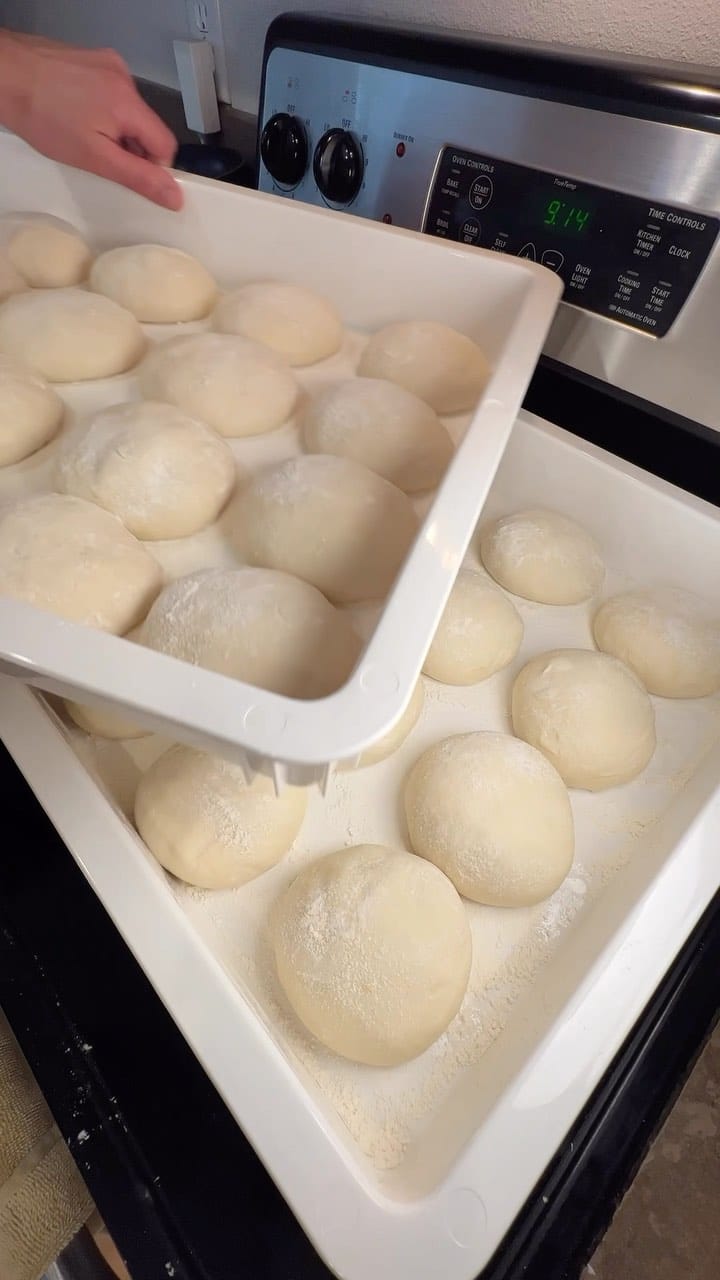
Transfer dough balls to a lightly floured container or sheet pan, leaving space between them. Cover with plastic wrap or a damp towel and let rest at room temperature for 2 hours.
Tips
- •Space balls 3-4 inches apart
- •They will spread during proofing
- •Dough is ready when it springs back slowly when poked
Ready to Use
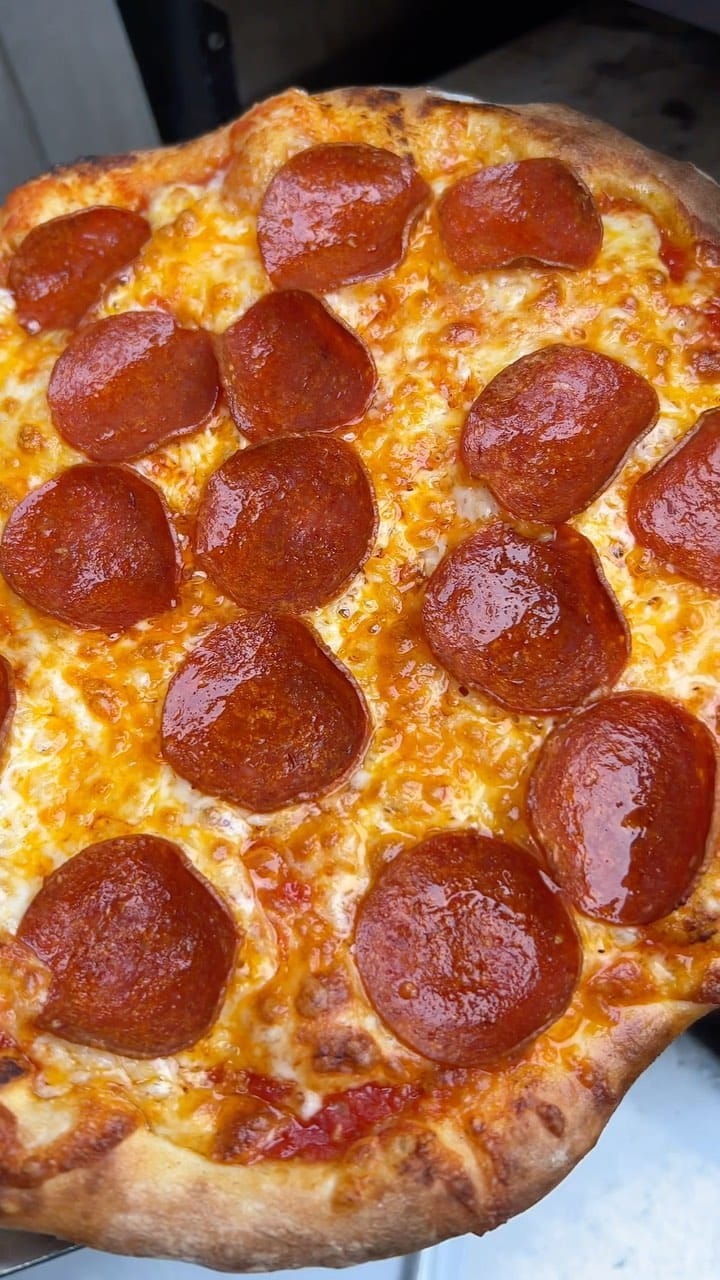
Your pizza dough is now ready for shaping and baking! Stretch gently by hand or with a rolling pin, add your toppings, and bake in the hottest oven possible (500°F+ (260°C+) for home ovens, or use a pizza oven).
Tips
- •Let dough come to room temperature if refrigerated
- •Stretch from center outward, leaving edge for crust
- •Higher oven temp = better results
You've completed all 13 steps. Time to eat.
Important Notes
This recipe is based on Vito Iacopelli's famous poolish method. The 64.5% hydration refers to the ratio of total water to total flour. The two-phase process develops complex flavors through cold fermentation while keeping the active work time minimal. Each pizza yields approximately 250g of dough, perfect for a 10-12 inch Neapolitan-style pizza.
⚠️ Important Notes:
This recipe is based on Vito Iacopelli's famous poolish method. The 64.5% hydration refers to the ratio of total water to total flour. The two-phase process develops complex flavors through cold fermentation while keeping the active work time minimal. Each pizza yields approximately 250g of dough, perfect for a 10-12 inch Neapolitan-style pizza.
Pro Tips
- •00 flour is best, but all-purpose (AP) flour works as well
- •Always use 5g of dried yeast and honey regardless of batch size
- •Alternatively, use 10g of fresh yeast instead of dried
- •The dough will be sticky - this is normal for high-hydration dough
- •Oiling your hands makes handling much easier than adding flour
- •Cold-fermented poolish develops more flavor than room temperature
- •Watch Vito's original video for visual guidance on technique
💡 Pro Tips:
- • 00 flour is best, but all-purpose (AP) flour works as well
- • Always use 5g of dried yeast and honey regardless of batch size
- • Alternatively, use 10g of fresh yeast instead of dried
- • The dough will be sticky - this is normal for high-hydration dough
- • Oiling your hands makes handling much easier than adding flour
- • Cold-fermented poolish develops more flavor than room temperature
- • Watch Vito's original video for visual guidance on technique
Scan for Recipe
bkyhd.com/poolish-pizza-dough
Support Us on Patreon
bkyhd.com/patreon
Gear for This Recipe
Check out the gear we use and recommend for this recipe.