How to Season a Banneton Basket
Watch the Tutorial
Related Videos
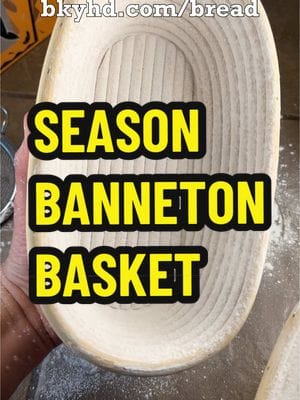
Let’s learn how to season a banneton basket. Bannetons help dough hold its shape during the final fermentation stage - usually in the fridge overnight before you bake. They are made of a vine called

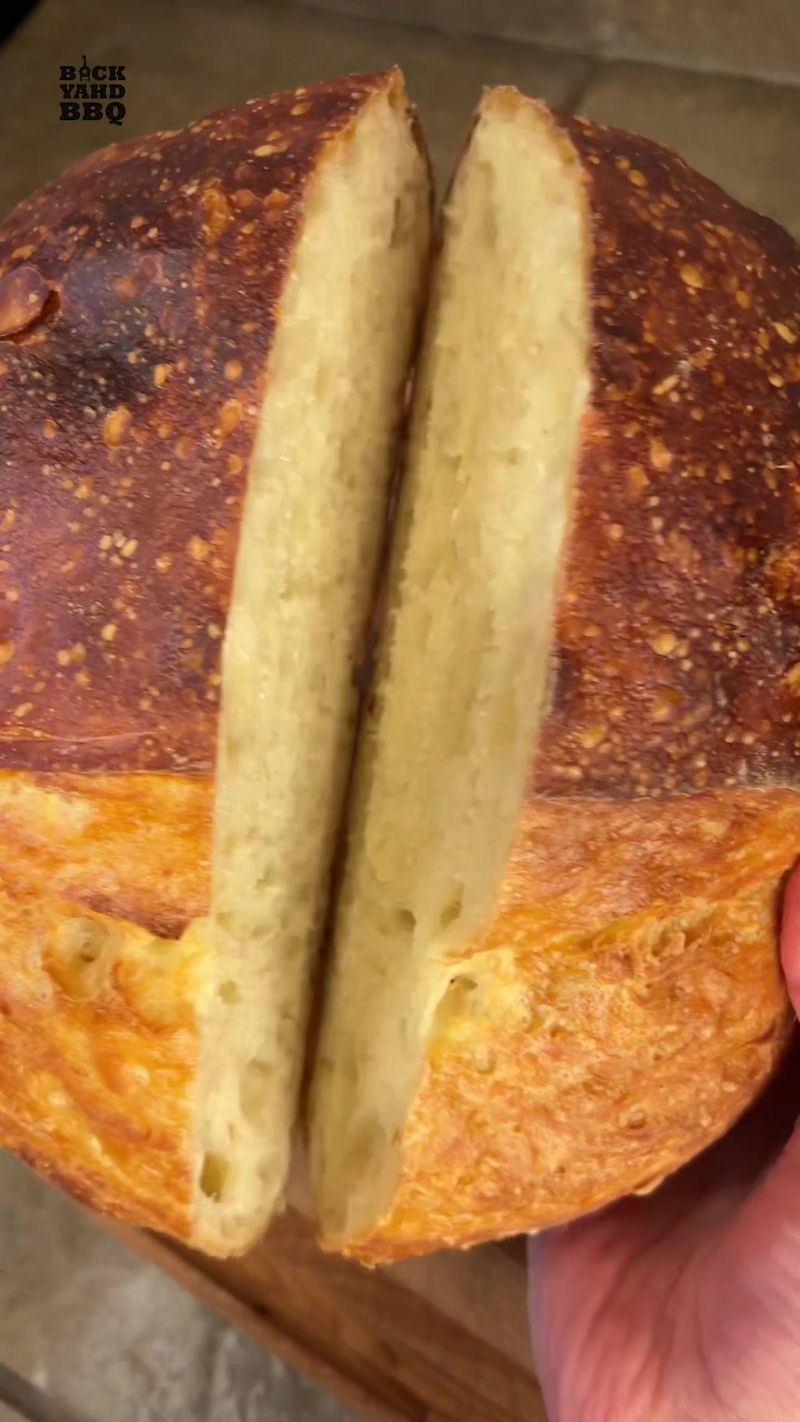


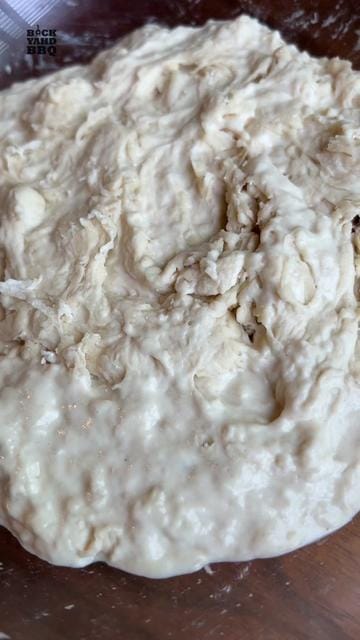


Bannetons are essential for helping dough hold its shape during the final fermentation stage, often in the fridge overnight. Since they're made of rattan, they aren't naturally non-stick, so seasoning them is an important step to prepare them for use. Here's how you can do it.
Why Season a Banneton?
Seasoning creates a thin, non-stick layer using non-glutinous rice flour. Rice flour works well because it doesn’t have gluten, which helps prevent sticking while keeping your dough’s structure intact.
Step-by-Step Instructions to Season a Banneton
1. Lightly Rinse the Basket
Give the inside of your banneton a quick rinse with water to clean off any dust or debris. Skip the soap and avoid soaking it, as that could damage the rattan. Once rinsed, dry it off with a clean towel or let it air dry completely.
2. Spritz with Water
Spritz the inside of the basket lightly with water. The goal is to make it just damp enough to help the flour stick, with no puddles. Spread the water evenly across the surface, and make sure to remove any excess.
3. Apply Rice Flour
Dust the entire inside of the basket generously with non-glutinous rice flour. Use your fingers or a brush to spread it evenly into the grooves. Tap out any extra flour once it’s coated.
4. Repeat to Build a Layer
Allow the basket to dry, then repeat the spritzing and dusting process one or two more times. Each round builds up a solid, thin layer of rice flour. Let it dry completely before adding dough.
Note: You only need to season a banneton once, unless you do a deep cleaning. After seasoning, maintenance is as simple as a light dusting of rice flour before each use.
Preparing the Banneton Before Use
- Check Coverage: Before adding dough, ensure the rice flour coverage inside the basket is even. If it looks patchy, add a bit more flour.
- Dust Your Dough: Generously dust the top and sides of your dough with rice flour to keep it from sticking as it proofs. Some bakers mix rice flour with wheat flour, but I prefer using 100% rice flour to avoid introducing gluten.
Caring for Your Banneton
After baking, let the banneton air dry completely before storing it. This helps prevent mold and keeps the basket in good shape. There's no need to rinse it after every use. Just tap out any leftover flour.
Recommended Bannetons
If you're looking for quality bannetons, I recommend
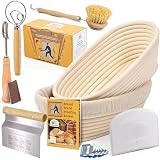
Bread Banneton Proofing Basket
Featured in
They're pure rattan, which works better than synthetic options. You can find them at the banneton basket I recommend.
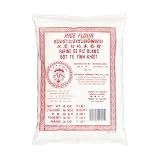
Rice Flour for Bread Baking
Seasoning your banneton is simple and makes all the difference in getting great results with your bread. If you have any questions, feel free to ask!
Let me know if there’s anything else you’d like to tweak!
Essential Gear
Bread Banneton Proofing Basket